
Understanding the psychological triggers that lead to gambling addiction
The Nature of Gambling Addiction
Gambling addiction is a complex psychological condition characterized by an uncontrollable urge to gamble despite negative consequences. This compulsive behavior often stems from a combination of emotional, environmental, and cognitive factors. Unlike occasional gambling, which can be a harmless pastime, addiction can lead to severe financial, emotional, and social repercussions. For those interested in gaming, https://basswincasino.app/ offers a variety of engaging experiences that highlight the historical evolution of this addictive pastime.
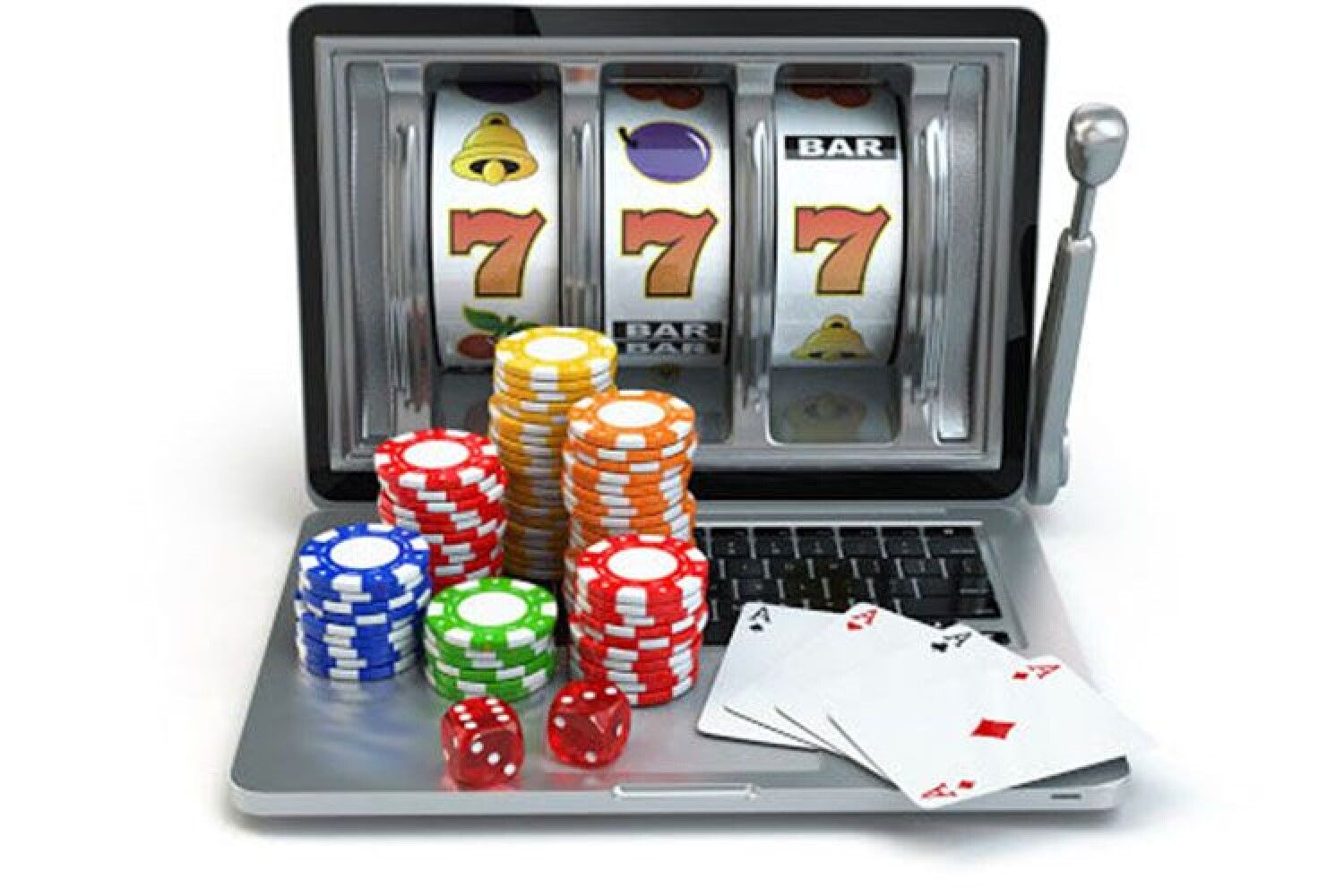
The thrill associated with gambling activates the brain’s reward system, releasing dopamine—often referred to as the ‘feel-good’ hormone. This creates a cycle where the individual seeks more of the pleasurable experience, reinforcing the desire to gamble. The psychological triggers involved can lead to an escalation of gambling behavior, making it increasingly difficult to resist the urge, even in the face of ruinous outcomes.
Addiction can be exacerbated by various psychological issues such as anxiety, depression, or low self-esteem. Individuals may turn to gambling as a coping mechanism, believing it provides an escape from their problems. This coping strategy can create a false sense of security, making it challenging for them to recognize the destructive path they are on. Recognizing the multifaceted nature of gambling addiction is essential for both individuals and professionals in the field.
One of the primary psychological triggers for gambling addiction is the concept of near misses. This occurs when a gambler comes close to winning but ultimately loses. These near misses can create a false sense of hope, leading individuals to believe that a win is just around the corner. The anticipation associated with this belief can be intoxicating, prompting further gambling attempts even when the odds are stacked against them.
Another significant psychological trigger is the illusion of control. Many gamblers believe they can influence the outcome of a game based on skill or strategy, especially in games like poker or sports betting. This mindset can lead to increased betting, as the individual feels empowered by their perceived ability to win. Unfortunately, this illusion can result in substantial financial losses, reinforcing the cycle of addiction.
Additionally, environmental cues play a crucial role in triggering the desire to gamble. For instance, being in settings where gambling is prevalent, such as casinos or online platforms, can stimulate cravings. These triggers can be as subtle as the sound of coins clinking or the flashing lights of a slot machine. Understanding these cues is essential for recognizing when someone may be at risk of relapse or developing an addiction.
Reward sensitivity refers to an individual’s responsiveness to rewards, which can significantly influence gambling behavior. Individuals with high reward sensitivity are more likely to engage in risky behavior, including gambling. This heightened sensitivity can lead to a greater desire for the excitement that gambling provides, making it easier to overlook the potential negative consequences.
Research has shown that those with a predisposition for addiction often have differences in brain structure and function that affect their reward pathways. This means they may require higher levels of stimulation to achieve satisfaction, which can create a dangerous cycle. As their tolerance increases, they may pursue more extreme gambling experiences, further entrenching their addiction.
Understanding the relationship between reward sensitivity and gambling addiction is crucial for developing targeted interventions. Therapies that focus on altering reward processing or reducing impulsivity may help individuals regain control over their gambling behavior. This approach can empower individuals to make more informed choices and reduce the compulsion to gamble.
Social factors play a pivotal role in gambling addiction. Family history of addiction can increase the likelihood of an individual developing similar behaviors. If a person grows up in an environment where gambling is normalized, they may be more likely to view it as a harmless or exciting activity. This societal acceptance can serve as a psychological trigger, leading to increased gambling participation.
Peer influence can also contribute to gambling addiction. Young adults, in particular, may feel pressured to engage in gambling behaviors to fit in with their social circles. The desire for social validation can override personal reservations about gambling, pushing individuals into risky situations. This social dynamic can create a feedback loop where gambling becomes a primary means of social interaction.
The role of social media and advertising in promoting gambling cannot be overlooked either. Targeted advertisements often glamorize gambling, portraying it as a thrilling, high-stakes experience. This continuous exposure can make gambling seem like an attractive and socially acceptable activity, ultimately increasing participation rates and the potential for addiction.

Basswin Casino is a leading gaming platform designed to provide an exceptional experience for players in the UK. Launched in 2024, it offers a wide variety of games, including slots, live games, and sports betting. The casino emphasizes player safety through measures such as SSL encryption and strict age verification, ensuring a secure gaming environment.
In addition to its extensive game selection, Basswin Casino provides an enticing welcome bonus of 375% up to £3,000, along with 300 free spins across initial deposits. This generous offer aims to attract new players while enhancing their overall gaming experience. With easy access via a mobile app and website, Basswin makes it simple for players to engage in thrilling gameplay and betting opportunities.
“`

Leave a Reply